Saona Island Coral Reefs – Reef Ecosystems, Marine Biodiversity & Responsible Exploration
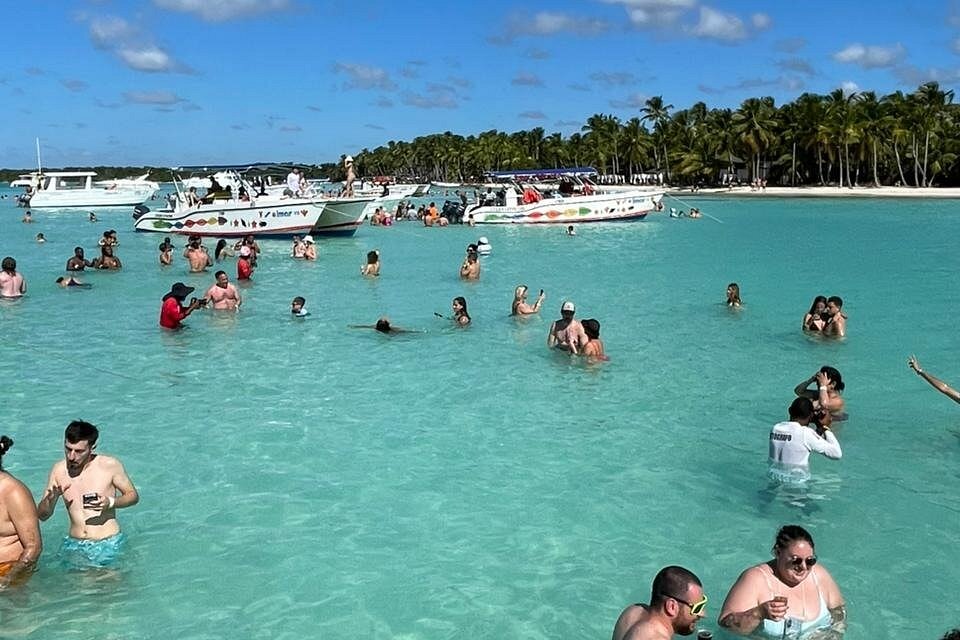
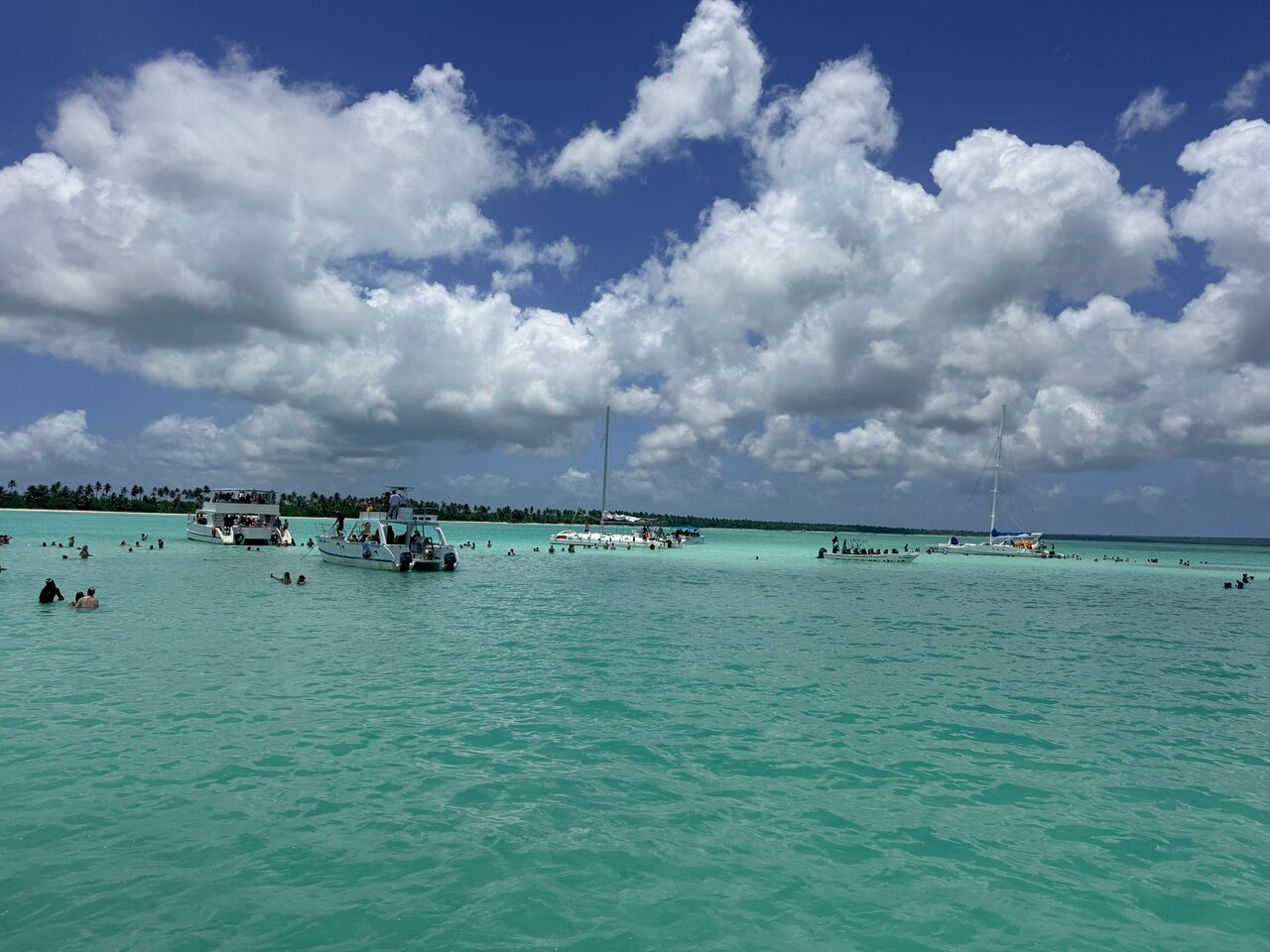
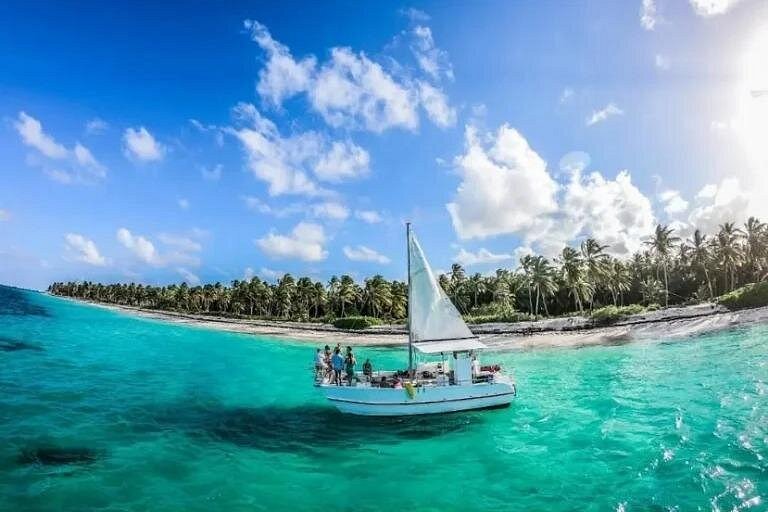
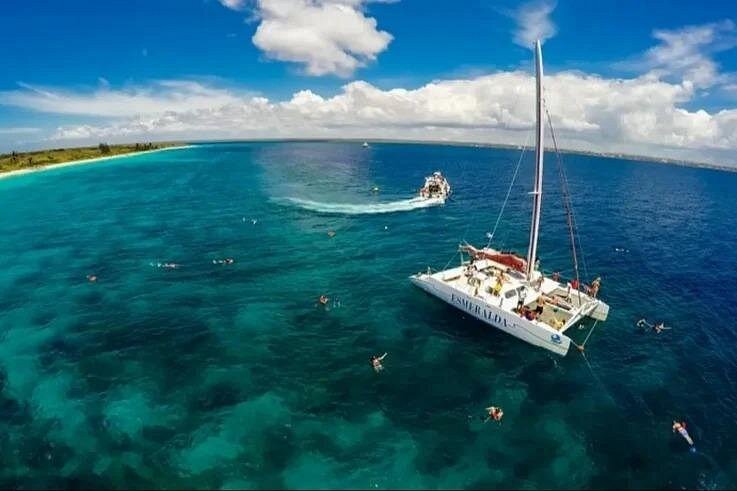
Saona Island is one of the Dominican Republic's best-known natural destinations. Its turquoise water, tropical beaches, and coastal landscapes attract visitors looking for a Caribbean experience. Beneath the water's surface, coral reef ecosystems add another important dimension to the region's natural environment.
Coral reefs are underwater structures formed by colonies of tiny animals called coral polyps. Over long periods, many corals build hard calcium carbonate skeletons that create complex habitats for marine life.
Across the Caribbean, coral reefs support a wide variety of fish, invertebrates, and other marine organisms. They also contribute to coastal protection and form part of interconnected marine ecosystems.
For visitors exploring Saona Island, learning about coral reefs provides a better understanding of the marine environment surrounding the island.
This guide explains how coral reefs work, the marine life they support, the environmental pressures they face, and how visitors can appreciate reef ecosystems responsibly.
1. What Are Coral Reefs?
Coral reefs are complex marine ecosystems built primarily by colonies of reef-building corals.
Corals are animals, not plants or rocks. Individual coral polyps are small organisms related to jellyfish and sea anemones. Many reef-building corals live in partnership with microscopic algae called zooxanthellae.
These algae live within coral tissues and use sunlight to produce energy through photosynthesis. In return, the coral provides shelter and access to nutrients.
This relationship helps many reef-building corals grow in clear, sunlit tropical waters.
Over generations, coral colonies produce calcium carbonate skeletons. These structures create the physical foundation of coral reefs.
Main features of coral reefs
- They are formed by colonies of coral animals.
- Many reef-building corals have hard calcium carbonate skeletons.
- They support diverse marine communities.
- They provide complex spaces for shelter and feeding.
- Their health depends on environmental conditions such as temperature, water quality, and light.
Coral reefs are among the most biologically diverse marine ecosystems.
2. Coral Reefs in the Caribbean
The Caribbean region contains many different coral reef environments, including shallow reef flats, reef crests, patch reefs, and deeper reef slopes.
These habitats vary in depth, shape, coral composition, and exposure to waves.
The wider Dominican Republic marine environment includes important coral reef habitats, but reef distribution and condition differ from one location to another.
Saona Island lies within the broader coastal and marine landscape of the Dominican Republic. Its surrounding waters should be understood as part of this regional ecosystem.
However, not every beach or shallow-water area around Saona Island contains coral reefs. The presence, condition, and accessibility of particular reefs should be verified through local marine surveys and reliable conservation information.
3. How Coral Reefs Develop
Coral reef development is a gradual natural process.
Stage 1: Coral larvae settle
Corals reproduce through sexual and asexual processes. In sexual reproduction, fertilized eggs develop into larvae that can travel through the water.
When suitable conditions are available, larvae may settle on a hard surface.
Stage 2: Young coral polyps grow
After settling, the larvae develop into coral polyps.
The polyps begin producing calcium carbonate skeletons.
Stage 3: Colonies expand
Through growth and asexual reproduction, coral colonies can expand and form larger structures.
Stage 4: Reef structures develop
Over long periods, coral skeletons accumulate and contribute to the formation of reef structures.
Different coral species grow at different rates and create different shapes.
Reef development depends on many environmental factors, including water temperature, light, sediment levels, and water quality.
4. Common Coral Types in Caribbean Reefs
Caribbean coral reefs contain different coral species, each with distinctive shapes and ecological characteristics.
Brain corals
Brain corals have rounded forms and winding surface patterns that resemble the folds of a brain.
They can contribute substantial structure to reef habitats.
Elkhorn coral
Elkhorn coral has large branching structures that resemble the antlers of an elk.
It has historically been an important reef-building species in parts of the Caribbean and is particularly vulnerable to several environmental pressures.
Staghorn coral
Staghorn coral has branching structures that resemble deer antlers.
Its branches provide shelter for smaller marine organisms.
Star corals
Star corals include several species with rounded or massive growth forms. Their surfaces contain many small coral structures.
These examples illustrate the diversity of Caribbean reef-building corals. They should not be treated as a confirmed species list for a particular Saona Island reef without local identification.
5. Marine Life Supported by Coral Reefs
Coral reefs create complex habitats that support numerous marine species.
Their structures provide hiding places, feeding areas, and breeding habitats.
Reef fish
Parrotfish, angelfish, butterflyfish, damselfish, and many other fish species are associated with Caribbean reef environments.
Different fish have different feeding strategies and habitat preferences.
Crustaceans
Shrimp, crabs, and lobsters may use reef structures for shelter and feeding.
Mollusks
Snails, clams, and other mollusks can be part of reef communities.
Sea urchins
Sea urchins are important reef organisms. Some species graze on algae, helping influence the balance between coral and algal growth.
Sponges
Sponges are common components of many coral reef ecosystems. They filter water and provide habitat for other organisms.
Sea turtles
Several sea turtle species use Caribbean marine habitats. Their relationship with coral reefs varies by species and life stage.
The diversity of reef organisms demonstrates why healthy coral ecosystems are important for the wider marine environment.
6. Why Coral Reefs Are Important
Coral reefs provide several ecological and economic benefits.
Supporting marine biodiversity
Reefs create habitat for many organisms, helping maintain complex marine food webs.
Providing shelter and feeding areas
Their structures offer spaces where marine animals can hide from predators and find food.
Coastal protection
Reef structures can reduce wave energy before waves reach the shoreline, depending on reef shape, depth, and local conditions.
Supporting fisheries
Many fish and invertebrates use reef ecosystems during different stages of their lives.
Healthy reefs can therefore contribute to coastal livelihoods and food resources.
Supporting tourism
Coral reefs attract visitors interested in snorkeling, diving, and marine wildlife.
Their ecological value and recreational importance make conservation essential.
7. Threats Facing Caribbean Coral Reefs
Coral reefs face multiple environmental pressures.
Rising sea temperatures
Corals can become stressed when water temperatures remain unusually high.
This can cause coral bleaching.
Coral bleaching
Coral bleaching occurs when stressed corals lose much of their symbiotic algae or the pigments associated with them.
Bleached corals appear pale or white because their underlying skeleton becomes visible through their tissues.
Bleaching does not always mean that a coral is already dead. Some corals may recover if environmental conditions improve, while prolonged stress can lead to mortality.
Ocean acidification
The ocean absorbs some carbon dioxide from the atmosphere. This changes seawater chemistry and reduces the availability of carbonate ions used by many organisms to build calcium carbonate structures.
These changes can make coral skeleton formation more difficult.
Pollution
Poor water quality, sediment runoff, and certain pollutants can harm coral health.
Physical damage
Anchors, boat groundings, careless diving, and direct contact can break or damage coral structures.
Disease
Coral diseases can affect individual colonies and sometimes spread across reef areas.
Overfishing and ecological imbalance
Removing too many organisms can alter food-web relationships and influence reef health.
These pressures may interact, making reef conservation more challenging.
8. Coral Bleaching and Its Effects
Coral bleaching is one of the major concerns for tropical reef ecosystems.
Healthy reef-building corals often contain symbiotic algae that provide much of their energy through photosynthesis.
When environmental stress becomes too high, corals may lose these algae.
As a result, their tissues become transparent or pale, exposing the white skeleton beneath.
What can happen after bleaching?
- Corals may experience reduced energy availability.
- Growth and reproduction may be affected.
- Their resistance to disease may decline.
- Prolonged stress can lead to coral death.
- Reef habitats may become less suitable for associated marine life if coral structures deteriorate.
Recovery depends on the severity and duration of the stress and the condition of the coral colony.
Protecting water quality and reducing local disturbances can help improve reef resilience, although these actions cannot eliminate the effects of global ocean warming.
9. Coral Reefs and Other Coastal Ecosystems
Coral reefs do not function independently. They are connected to other coastal habitats, including mangroves and seagrass meadows.
Mangroves
Mangroves grow along tropical coastlines and provide habitat for many marine organisms.
Their roots interact with sediment and coastal water.
Seagrass meadows
Seagrass beds provide feeding and shelter areas for different marine species.
Some fish and invertebrates move between seagrass habitats and nearby reefs.
Coral reefs
Reefs provide hard underwater structures and support diverse marine communities.
These ecosystems can form connected habitats across the same coastal region.
Protecting all three helps maintain ecological relationships that support marine biodiversity.
10. Can Visitors Explore Coral Reefs Near Saona Island?
The availability of reef-focused activities depends on the tour provider, location, sea conditions, and local regulations.
Some excursions in the wider Saona Island region may include snorkeling or other marine activities, but a snorkeling stop should not automatically be described as a coral reef visit.
A location may contain sandy seabeds, seagrass, coral formations, or a mixture of habitats.
If coral reef exploration is important to your trip, ask the operator:
- Does the excursion visit a confirmed coral reef site?
- What marine habitat is present at the snorkeling location?
- Are guides familiar with reef-safe visitor practices?
- Is suitable snorkeling equipment provided?
- Are there any local access restrictions?
- What conditions determine whether the activity can operate?
Confirm the exact location and activity before booking.
11. How to Explore Coral Reefs Responsibly
Coral reefs can be damaged by careless contact, even when visitors have no intention of causing harm.
Following simple guidelines can help protect these fragile environments.
Never stand on coral
Coral structures are living ecosystems. Standing on them can break branches and damage colonies.
Avoid touching marine life
Do not handle coral, fish, sponges, or other reef organisms.
Control your fins
Use slow, controlled movements to avoid striking coral or stirring up sediment.
Use reef-conscious sunscreen practices
Choose sun protection carefully and follow local environmental guidance. No sunscreen should be considered completely harmless to every marine ecosystem.
Protective clothing can reduce the amount of sunscreen needed.
Avoid feeding fish
Feeding wildlife can change natural behaviour and may affect ecosystem relationships.
Follow your guide
Listen to safety and environmental instructions before entering the water.
Do not collect coral
Removing coral fragments, shells, or other marine materials can damage habitats and may violate local regulations.
12. The Role of Responsible Tour Operators
Tour operators can help protect reef ecosystems by managing visitor activities carefully.
Responsible practices include:
- Selecting suitable snorkeling locations.
- Providing environmental briefings.
- Preventing guests from standing on coral.
- Following appropriate boat routes.
- Avoiding anchor damage to sensitive habitats.
- Managing group sizes where necessary.
- Respecting local environmental rules.
- Avoiding activities that encourage touching or feeding wildlife.
Visitors can help by choosing providers who explain environmental precautions clearly.
A good marine excursion should prioritize passenger safety and habitat protection alongside enjoyment.
13. How Scientists Monitor Coral Reef Health
Researchers use several methods to assess reef conditions.
Underwater visual surveys
Divers or trained surveyors record coral species, reef organisms, and visible damage.
Coral cover measurements
Researchers estimate how much of the seabed is covered by living coral.
Photographic monitoring
Repeated photographs can document changes in coral colonies and reef condition.
Water quality measurements
Temperature, visibility, turbidity, and other parameters help explain environmental conditions.
Coral disease monitoring
Scientists may record signs of disease, bleaching, and tissue loss.
Remote sensing
Satellite and aerial data can help researchers study broader reef environments, although underwater details often require direct surveys.
Long-term monitoring is important because reef health can change over time.
14. Why Coral Reef Conservation Matters for Saona Island
The natural value of Saona Island includes both its beaches and its surrounding marine environments.
Healthy coral reefs contribute to biodiversity, coastal processes, and the wider Caribbean ecosystem.
They also provide opportunities for responsible marine tourism when suitable sites are accessible and activities are properly managed.
Protecting reef ecosystems requires attention to water quality, boating practices, fishing pressures, climate-related stress, and visitor behaviour.
Local conservation decisions should be based on scientific evidence and the requirements of relevant environmental authorities.
Frequently Asked Questions
1. Are there coral reefs around Saona Island?
The wider Dominican Republic and Caribbean region contains coral reef habitats. The presence and condition of specific reefs around Saona Island should be confirmed through reliable local surveys.
2. What are coral reefs made of?
Reef structures are built largely from calcium carbonate skeletons produced by reef-building coral colonies over time.
3. Are corals animals or plants?
Corals are animals. Many reef-building corals live in partnership with microscopic algae.
4. What marine animals live in Caribbean coral reefs?
Caribbean reefs support fish, crustaceans, mollusks, sponges, sea urchins, and many other organisms.
5. What is coral bleaching?
Coral bleaching occurs when stressed corals lose much of their symbiotic algae or associated pigments, causing them to appear pale or white.
6. Can tourists snorkel around Saona Island coral reefs?
Some excursions may offer snorkeling in the wider area, but not every snorkeling location is necessarily a coral reef. Confirm the habitat and location with the provider.
7. Why should visitors avoid touching coral?
Coral is living tissue supported by a fragile skeleton. Touching, stepping on, or breaking it can cause physical damage.
8. Do coral reefs protect beaches?
Reef structures can reduce incoming wave energy under suitable conditions, helping protect some coastlines.
9. How can tourists help protect coral reefs?
Avoid touching or standing on coral, control fin movements, do not feed marine animals, and follow responsible tour guidance.
10. Can damaged coral reefs recover?
Some coral communities can recover under favourable conditions, but recovery depends on the extent of damage, environmental stress, water quality, and other factors.
Conclusion
Coral reefs are valuable marine ecosystems that support biodiversity, provide habitat for many organisms, and contribute to the health of tropical coastal environments.
The wider Caribbean region contains important reef habitats, and understanding their ecological role adds depth to a visit to Saona Island.
Visitors should remember that not every snorkeling location is a coral reef and that specific reef conditions require local verification.
By choosing responsible tour operators, avoiding physical contact with coral, and respecting marine habitats, travelers can help reduce unnecessary pressure on underwater ecosystems.
Saona Island's natural beauty extends beyond its beaches. Protecting the marine environments beneath the water is an important part of preserving the region's natural heritage.

Local explorer & expert guide in Haitises Tours.