Saona Island Marine Animal Regeneration – How Ocean Life Repairs, Rebuilds & Recovers
The ocean is full of remarkable survival strategies. Some marine animals can repair damaged tissues, replace lost structures, or rebuild parts of their bodies after injury. This biological ability is known as regeneration, and it is one of the most fascinating subjects in marine biology.
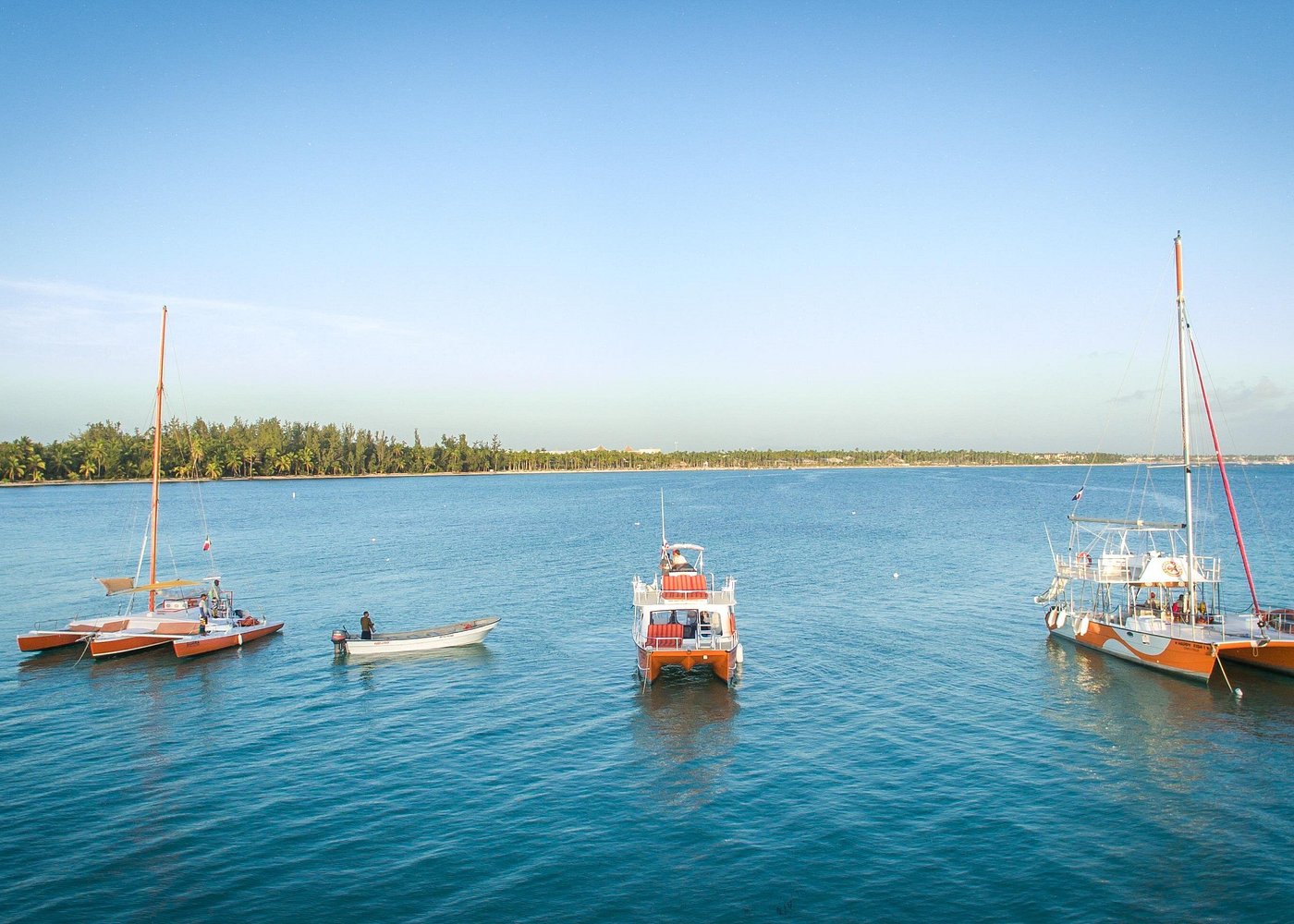
Around the Caribbean region, including the waters associated with Saona Island in the Dominican Republic, marine habitats support many forms of animal life. Although the regeneration abilities of individual species in the local area require scientific documentation, studying marine regeneration helps explain how ocean organisms respond to injury, environmental stress, and physical damage.
From sea stars that can regrow arms to marine invertebrates capable of rebuilding damaged tissues, regeneration demonstrates the extraordinary flexibility of life beneath the sea.
What Is Marine Animal Regeneration?
Marine animal regeneration is the biological process through which an organism repairs damaged tissues or replaces lost body structures. Depending on the species, regeneration may involve a small area of tissue, a damaged appendage, or a much larger body structure.
Regeneration is not the same as ordinary wound healing. Wound healing closes an injury and protects the body from further damage. Regeneration goes further by rebuilding missing or damaged structures, sometimes restoring their original functions.
The process varies considerably between marine animal groups. Some species have impressive regenerative abilities, while others can only repair relatively small injuries.
How Does Regeneration Work?
Regeneration is a coordinated biological process involving several stages. The exact mechanisms differ between species, but many regenerative processes share some general features.
1. Wound Closure
The first step is usually the protection of the damaged area. Cells around an injury respond to tissue damage and help close the exposed surface.
This reduces the risk of infection and limits further tissue loss. Without effective wound closure, the organism may struggle to survive the injury.
2. Cellular Response
After the wound is protected, cells around the damaged region may become more active. Some cells divide, while others change their behavior to support tissue repair.
In certain animals, specialized cells or relatively flexible cell populations contribute to rebuilding damaged structures.
3. Tissue Formation
New cells gradually form the tissues needed to replace the missing or damaged parts. These may include muscles, connective tissues, nerves, or other specialized structures.
The complexity of this stage depends on what must be restored.
4. Growth and Functional Recovery
The newly formed tissue develops over time. In animals capable of substantial regeneration, the replacement structure may gradually recover its shape and function.
Regeneration can take different amounts of time depending on the species, the size of the injury, environmental conditions, and the organism's overall health.
Marine Animals Known for Regenerative Abilities
Different marine animal groups demonstrate different forms of regeneration. The following examples illustrate the biological diversity of this process; they should not be interpreted as confirmed records of particular animals or regeneration events at Saona Island.
Sea Stars
Sea stars are among the best-known examples of marine regeneration. Some species can regrow lost arms after injury.
The process may involve rebuilding internal structures, including tissues needed for movement and feeding. However, regenerative ability differs between species. Not every sea star can regenerate an entire animal from a detached arm.
The outcome also depends on how much of the central body remains and whether the damaged animal has sufficient energy and suitable conditions for recovery.
Sea Cucumbers
Sea cucumbers have unusual defensive and regenerative responses. Certain species can expel some internal organs as a defense mechanism and later regenerate replacement structures.
This process is biologically different from simply growing a new external body part. It involves rebuilding complex internal tissues and organs.
The ability is not identical across all sea cucumber species.
Sponges
Marine sponges can show impressive abilities to repair and reorganize their tissues. Their bodies contain specialized cells that contribute to maintaining and rebuilding their structure.
Under suitable conditions, some sponge cells can reorganize after physical disruption. This makes sponges valuable organisms for studying cellular organization and biological repair.
Crustaceans
Some crustaceans, including crabs and certain shrimps, can regenerate lost appendages such as legs or claws.
In many cases, replacement structures develop through successive moulting cycles. A newly regenerated appendage may initially be smaller than the original and become more developed through later growth.
The process can be affected by the animal's age, health, species, and moulting condition.
Marine Worms
Certain marine worms have remarkable regenerative abilities. Depending on the species, they may repair damaged body regions or replace missing structures.
However, regeneration varies greatly among different worm groups. It is inaccurate to assume that all marine worms can rebuild large portions of their bodies.
Regeneration Versus Wound Healing
Although the two processes are related, they have different biological outcomes.
FeatureWound healingRegenerationMain purposeClose and repair an injuryReplace missing or damaged structuresBiological outcomeRestored protective tissuePotential restoration of structure and functionComplexityOften limited to the injured areaMay involve several tissue typesExamplesClosing a damaged body surfaceRegrowing a lost sea star arm
An organism may successfully heal a wound without being able to regenerate the body part that was lost.
What Affects Marine Regeneration?
Regeneration requires energy and favorable biological conditions. Several factors influence whether an organism can recover from injury.
Species and Genetics
Regenerative ability is strongly influenced by an organism's biology. Some species have evolved highly effective regeneration systems, while others have limited repair capacity.
Genetic differences influence how cells respond to damage, divide, and form replacement tissues.
Food and Energy Availability
Building new tissue requires energy and nutrients. An animal with access to sufficient food may be better able to support recovery than one experiencing prolonged food shortages.
Energy must also be shared between regeneration, movement, reproduction, and other essential activities.
Water Quality
Marine organisms depend on suitable water conditions. Pollution, harmful chemical exposure, and other water-quality problems can interfere with normal biological functions.
Maintaining healthy coastal water is therefore important for the general well-being of marine animals.
Temperature
Water temperature affects metabolism, cellular activity, and many other biological processes. Conditions outside an organism's suitable range can create physiological stress and may influence recovery.
The effect is species-specific; warmer water does not automatically mean faster regeneration.
Injury Severity
A small injury and the loss of a major body structure present very different challenges. Severe damage may exceed an animal's ability to recover.
The location of the injury can also matter because some body regions contain essential organs or structures.
Why Is Regeneration Important for Marine Ecosystems?
Regeneration is primarily a survival mechanism for individual organisms, but it can also have wider ecological importance.
Supporting Individual Survival
The ability to repair injuries may help an animal survive encounters with predators, physical disturbances, or accidental damage.
For some species, replacing a lost appendage can restore important functions such as movement, feeding, or defense.
Maintaining Ecological Roles
Marine animals perform many ecological functions. They may graze on algae, recycle organic matter, filter water, or form part of food webs.
When an organism recovers from injury, it may regain the ability to perform these functions.
Contributing to Population Persistence
Regeneration can improve survival prospects for some individuals, but it does not guarantee population recovery. Reproduction, food availability, habitat quality, disease, predation, and other factors also influence population size.
Healthy habitats remain essential even for organisms with impressive regenerative abilities.
Regeneration and Coastal Habitats Around Saona Island
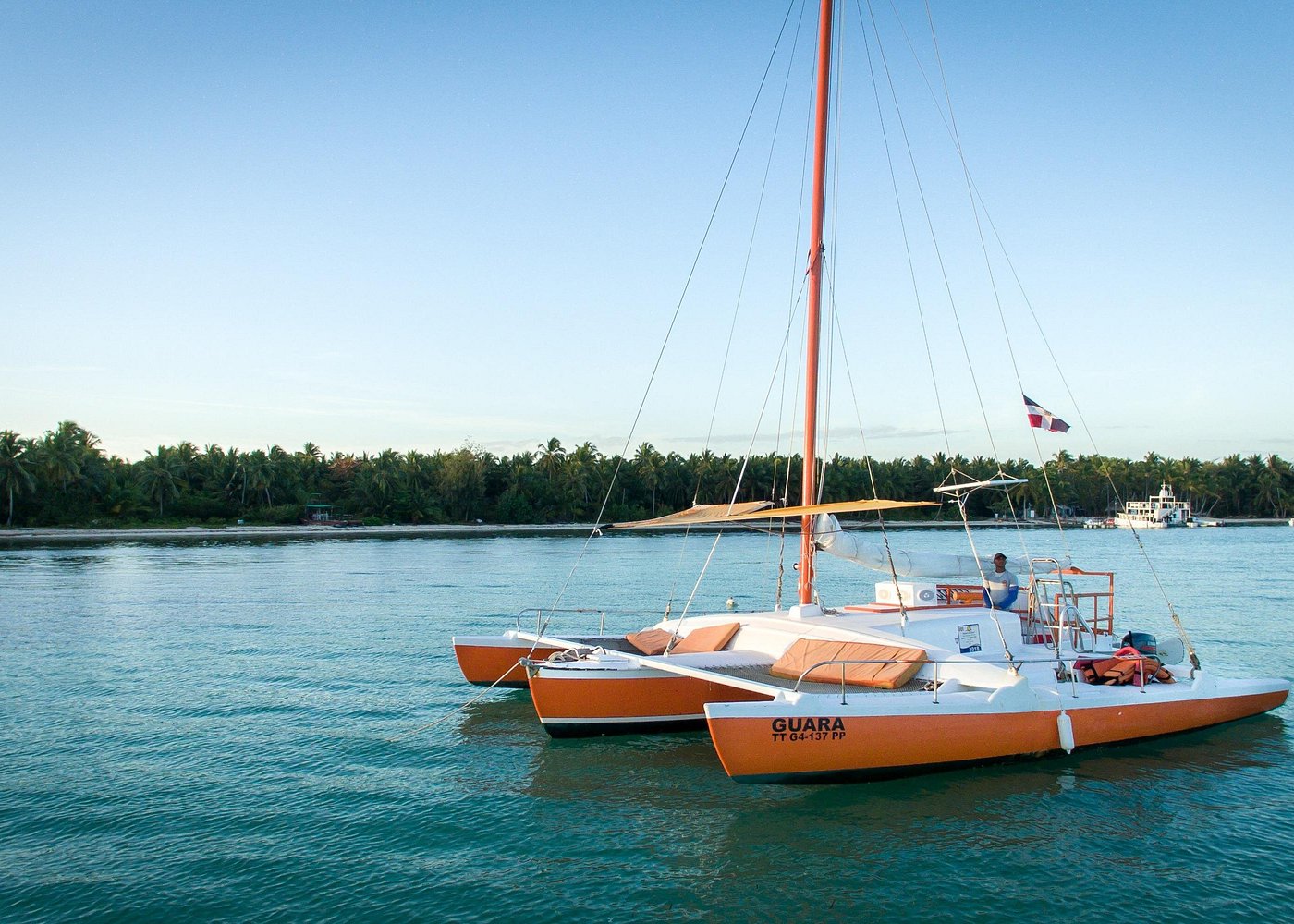
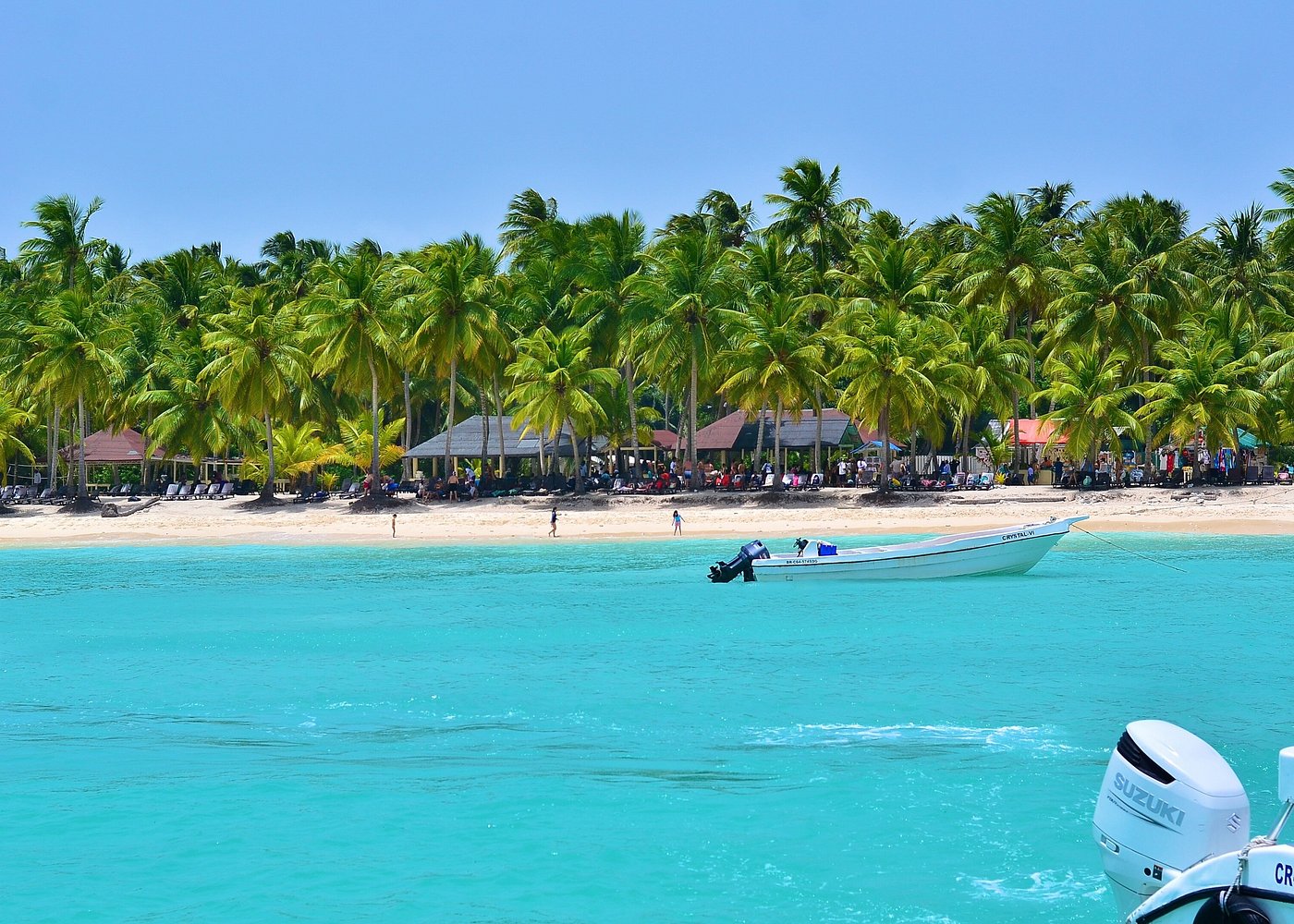
Saona Island is associated with a variety of Caribbean coastal environments, including beaches, shallow marine waters, and habitats that may support different marine organisms.
The condition of these habitats matters because regeneration takes place within the wider environment. An animal cannot rely on its biological repair mechanisms alone if its habitat is severely degraded.
Potential environmental pressures include:
- Physical disturbance of sensitive marine habitats.
- Coastal and marine pollution.
- Poor water quality.
- Excessive disturbance of wildlife.
- Habitat degradation and changes in environmental conditions.
Protecting marine habitats helps maintain the conditions that ocean organisms need for feeding, growth, repair, and reproduction.
Specific regeneration rates, local species records, and the health of individual animals around Saona Island should be established through field research rather than assumed from general marine biology.
How Scientists Study Marine Regeneration
Marine biologists use several approaches to understand how organisms repair and replace body structures.
Field Observation
Researchers observe organisms in their natural habitats and record visible injuries, recovery patterns, and environmental conditions.
Repeated observations can help distinguish normal growth from recovery after damage.
Laboratory Studies
Controlled studies allow researchers to examine cellular responses, tissue development, and the timing of regeneration.
Ethical research practices are important. Scientists should avoid unnecessary injury or disturbance to wild organisms.
Microscopy and Imaging
Microscopes and imaging techniques help researchers examine cells and tissue structures that cannot be seen clearly with the naked eye.
These methods can reveal how new tissues form and how their organization changes during recovery.
Environmental Monitoring
Researchers may record water temperature, salinity, dissolved oxygen, and other environmental variables to investigate how conditions relate to tissue repair.
Long-term monitoring can help identify patterns that short observations may miss.
How Visitors Can Help Protect Marine Life
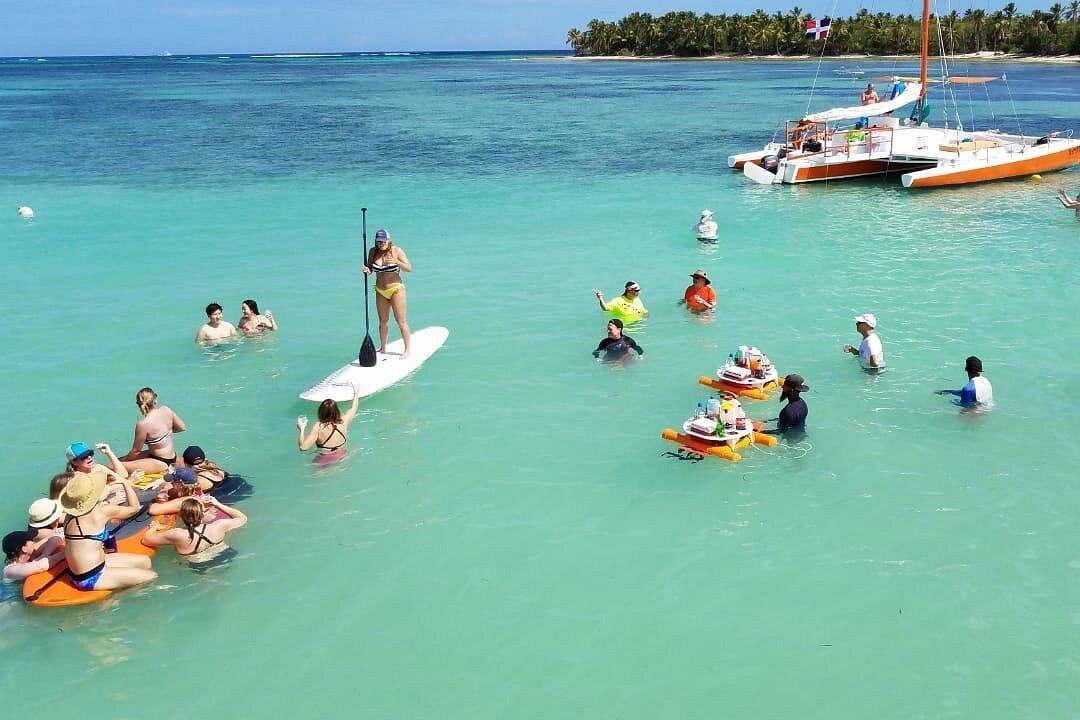
Visitors to Saona Island can support marine conservation by reducing unnecessary disturbance to coastal and underwater habitats.
Practical steps include:
- Observe marine animals without touching or handling them.
- Never remove sea stars, sea cucumbers, or other marine organisms from their habitats.
- Avoid standing on or damaging sensitive underwater habitats.
- Do not feed wild marine animals.
- Dispose of waste properly and avoid leaving plastic behind.
- Follow the instructions of responsible tour operators and local authorities.
- Choose wildlife experiences that prioritize observation and habitat protection.
Even animals with impressive regenerative abilities should not be treated as if they are immune to injury. Regeneration takes time and energy, and some injuries cannot be repaired.
Frequently Asked Questions
Can all marine animals regenerate lost body parts?
No. Regenerative abilities vary widely. Some marine animals can replace certain body structures, while others mainly heal wounds and repair limited tissue damage.
Can a sea star grow a new arm?
Many sea star species can regenerate lost arms. The extent of regeneration depends on the species and the condition of the remaining body.
Can a sea star grow into a completely new animal from one arm?
Only certain species can do this under particular conditions. A detached arm does not automatically become a new sea star.
Do crabs regenerate lost claws?
Some crabs can regenerate lost claws or legs, often through successive moulting cycles. The replacement may initially be smaller than the original.
Does warm seawater make marine animals regenerate faster?
Not necessarily. Temperature affects biological activity, but every species has its own suitable environmental range. Excessive heat can create stress and interfere with normal biological functions.
Can visitors see regeneration happening during a Saona Island tour?
Regeneration is usually a gradual process and may not be visible during an ordinary excursion. Visitors should observe marine animals naturally rather than handling them to look for injuries or regrowth.
Why should marine regeneration matter to conservation?
Regeneration helps certain animals recover from damage, but it cannot replace healthy habitats. Protecting water quality, marine biodiversity, and coastal ecosystems remains essential.
Conclusion
Marine animal regeneration reveals how some ocean organisms repair damaged tissues and rebuild lost body structures. Sea stars, sea cucumbers, sponges, crustaceans, and certain marine worms demonstrate different forms of this remarkable biological ability.
For Saona Island, regeneration is an interesting subject through which visitors can learn more about Caribbean marine biology and the importance of protecting underwater habitats. However, regeneration should never be viewed as a substitute for conservation.
Healthy marine ecosystems give organisms better opportunities to feed, grow, reproduce, and recover. By observing wildlife responsibly and minimizing environmental disturbance, visitors can help protect the natural conditions that support marine life.

Local explorer & expert guide in Haitises Tours.